 Call Us Now
 Email Us Now
Most people believe pedestrians always have the right of way. That belief is only half true, and the other half often decides who pays. Knowing your rights before you speak to an adjuster changes how a Bradenton pedestrian accident claim unfolds, since it depends on exactly where you were standing and what the signal showed.
Key Takeaways:
- Florida Statute Section 316.130 places the duty to yield on drivers inside a crosswalk, but shifts some responsibility to pedestrians crossing mid-block.
- A pedestrian’s own PIP coverage typically pays first, even without owning a car, followed by a resident relative’s policy or the striking vehicle’s PIP.
- Modified comparative negligence applies to pedestrians the same way it applies to drivers, reducing or barring recovery based on assigned fault.
- A jaywalking citation is a noncriminal infraction and does not automatically decide who pays in a civil claim.
- Florida Statute Section 95.11(5)(a) gives injured pedestrians two years from the crash date to file a negligence lawsuit.
Who Has the Right of Way on Bradenton Pedestrian Crossings?

Crosswalks Shift the Duty to the Driver
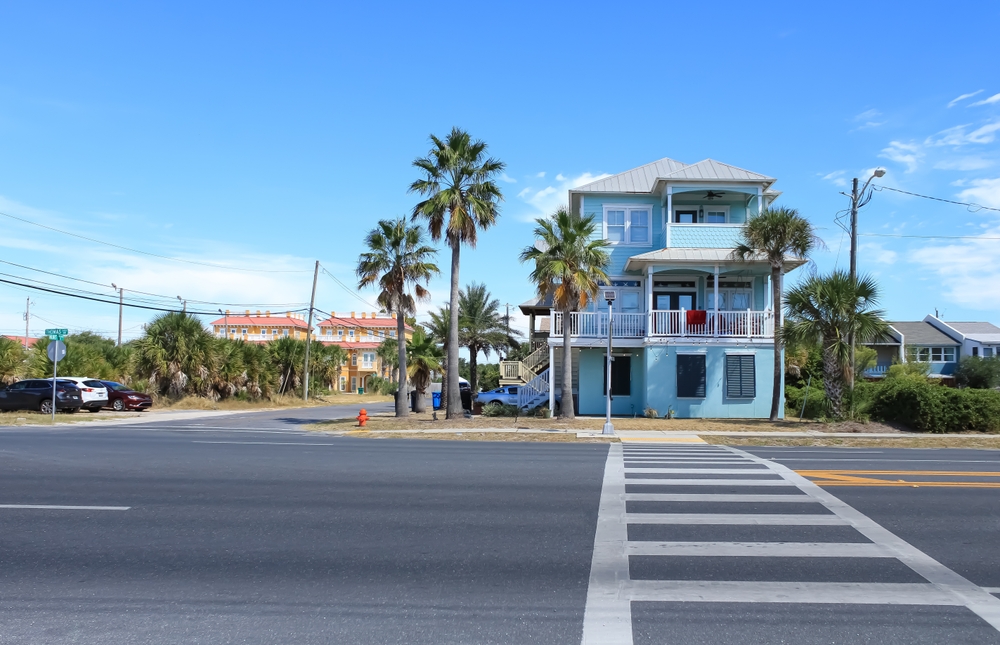
Inside a marked or unmarked crosswalk, drivers must always stop and remain stopped for a pedestrian who is crossing or about to cross. This duty applies whether a traffic signal controls the intersection or not. A driver who fails to yield here is often violating a clear traffic safety statute, and that carries real weight later.
Outside a Crosswalk, the Rules Change
Between signalized intersections, pedestrians generally must yield to vehicles and cross at a marked crosswalk when one exists nearby. Crossing mid-block does not eliminate a driver’s basic duty to watch the road and avoid a collision. It does give the defense a starting point for arguing shared fault.
A Jaywalking Ticket Doesn’t Decide Your Civil Case
Pedestrian traffic violations under Florida law are noncriminal infractions, not crimes, and a citation alone does not resolve who pays for injuries. Insurers frequently lean on a jaywalking ticket to argue that the pedestrian caused the crash. The facts, like vehicle speed and driver attentiveness, still control the outcome.
Pedestrian Accident Rights Florida Bradenton Residents Should Know About Medical Bills
Your Own PIP Comes First, Even Without a Car
If you own a vehicle registered in Florida, your personal injury protection coverage pays your medical bills even though you were on foot when the crash happened. Without your own policy, coverage typically comes next from a relative you live with, and finally from the striking vehicle’s PIP. This order surprises most pedestrians who assume the driver’s insurance pays automatically.
The 14-Day Rule Applies to Pedestrians Too
Florida’s no-fault system requires initial treatment within 14 days of the crash to access PIP benefits at all. Waiting past that window, even when an injury seems minor at first, can eliminate coverage entirely. An emergency medical condition determination also affects whether you receive the full $10,000 or a reduced amount.
When PIP Isn’t Enough
PIP pays 80% of medical bills and 60% of lost wages up to its limit, which rarely covers a serious pedestrian injury involving surgery or extended rehabilitation. Health insurance often becomes the next payer, sometimes with a reimbursement claim attached to any later settlement. The gap between PIP and actual costs is usually where a liability claim against the driver becomes necessary.
What Determines Fault After You’re Hit by a Car on Bradenton Streets?
- Comparative Negligence Applies to Pedestrians the Same Way: Florida’s modified comparative negligence rule reduces your recovery by your percentage of assigned fault, and bars it entirely if you are more than 50% at fault. A pedestrian who stepped off a curb without looking may still recover something if the driver was also speeding or distracted. Both sides fight hard over that percentage.
- Common Driver Behaviors That Shift Fault: Distracted driving, failure to yield at a marked crosswalk, and turning vehicles that don’t check for pedestrians account for a large share of Bradenton pedestrian crashes. Left-turn collisions near Manatee Avenue intersections happen when drivers focus on oncoming traffic and miss a pedestrian already in the crosswalk. Documenting the turn signal, the light sequence, and any skid marks helps establish this pattern.
- Manatee Avenue and US 41 Carry Their Own Risk Patterns: Wide, multi-lane roads like Manatee Avenue and US 41 create long crossing distances and inconsistent sightlines, especially where sidewalks end abruptly in older neighborhoods. Areas around the Green Bridge and Riverwalk see heavier foot traffic during events, which increases exposure at unmarked crossings. Local infrastructure gaps often become part of the evidence in a serious claim.
Building a Bradenton Pedestrian Injury Lawsuit When PIP Isn’t Enough
Meeting the Serious Injury Threshold
To recover pain and suffering from the driver directly, your injury must meet one of four categories under Florida Statute Section 627.737: significant and permanent loss of a bodily function, permanent injury within a reasonable degree of medical probability, significant and permanent scarring, or death. Pedestrian injuries, given the lack of protection compared to a vehicle occupant, meet this threshold more often than typical fender-bender injuries. Thorough medical documentation from the start makes the difference.
Hit-and-Run and Uninsured Driver Scenarios
Pedestrians struck by a driver who flees the scene, or one carrying no insurance, can still access their own PIP benefits regardless of who caused the crash. Uninsured motorist coverage, if you or a resident relative carries it, may fill the remaining gap for pain and suffering. Without either, recovery options narrow considerably.
The Filing Deadline Still Applies.
Florida Statute Section 95.11(5)(a) sets a two-year window to file a negligence lawsuit, running from the date of the crash. Wrongful death claims involving a fatal pedestrian accident carry the same two-year deadline, measured from the date of death. Missing either deadline generally ends the right to recover through the courts.
Protecting Your Claim in the First Few Weeks
A few practical steps make a real difference before the case takes shape:
- Consider requesting the police report number at the scene, or as soon as possible afterward, to confirm an official record exists.
- Many pedestrians find it helpful to photograph the crossing location, including any missing signage or faded crosswalk markings.
- Consider keeping a written log of missed work, canceled plans, and daily limitations caused by the injury.
- It often helps to avoid posting about the crash or your recovery on social media until the claim resolves.
These are legal considerations, not medical ones. Your treating physician remains the right source for questions about healing time or activity restrictions.
What Bradenton Pedestrians Ask Us First
A: No. A driver’s account is one piece of evidence, not the final word. Witness statements, traffic camera footage, and the physical evidence at the scene often tell a different story.
A: The core legal analysis stays the same, though injury to a pet doesn’t fall under personal injury damages. Document any veterinary costs separately, since they may need to be pursued through a different claim category.
A: Yes. PIP applies regardless of whether you carry health insurance, and a liability claim against the driver doesn’t require it either. Lack of health coverage does make prompt PIP treatment even more important.
A: Cases that settle before litigation often close within several months once treatment finishes and records are complete. Cases requiring a lawsuit, especially with contested fault, can extend well beyond a year. Serious injuries with lasting effects generally take longer because future care costs need proper documentation.
A: Florida law directs pedestrians to walk on the shoulder facing traffic where no sidewalk exists. Following that rule strengthens your position, but a driver still owes a duty to watch for pedestrians even on roads without sidewalks.
A: An early offer rarely reflects the full value of a pedestrian injury, since these crashes frequently cause more serious harm than a typical fender-bender. A lawyer can evaluate whether the offer covers your actual medical trajectory before you sign anything.
A: Yes, through a parent or legal guardian acting on the child’s behalf. Florida law also tolls certain deadlines for minors, though prompt action still protects the strongest possible claim.

Know Where You Stand
Getting hit while walking near your own neighborhood feels personal in a way a typical car accident doesn’t. Sorting out who pays, and how much, shouldn’t fall entirely on someone still recovering from the impact.
Legler, Murphy & Battaglia, PLLC has represented injured pedestrians across Manatee County since 1989, and our attorneys work on a contingency basis, so there’s no upfront cost to find out what your rights actually look like. We’ve seen enough of these cases to know which details insurers try to gloss over. Call our Bradenton office at 941-748-5599 to talk through what happened.