
 Call Us Now
 Email Us Now
Lakewood Ranch may feel removed from the nightlife strips of Sarasota and Bradenton, but drivers leaving those areas travel I-75, University Parkway, and SR 70 to get home — the same roads residents use every day. When an impaired driver causes a crash, the injured person faces a claim that is stronger in some ways than a routine car accident, but only if they protect the evidence and their rights quickly. The Lakewood Ranch personal injury attorneys at Legler, Murphy & Battaglia, PLLC help injured people do exactly that.
How Do You Protect Your Rights After a Lakewood Ranch Drunk Driving Accident?
The most important steps are getting medical care, preserving evidence of the driver’s impairment, and contacting a lawyer before giving any statement to an insurer. A DUI crash case moves faster than most because the evidence — BAC results, arrest records, and vehicle data — has a short window of availability. Knowing your rights early keeps options open that close quickly if you wait.
Key Takeaways for Drunk Driving Victims
- Florida only requires drivers to carry minimum insurance — a serious DUI crash can cause injuries worth far more than the at-fault driver’s policy will pay.
- Uninsured and underinsured motorist coverage on your own policy can fill the gap.
- Drunk driving is one of the situations where Florida allows punitive damages on top of compensatory damages.
- Your civil claim is independent of the criminal case — do not wait for it to conclude.
- Florida generally gives you two years from the crash to file an injury lawsuit.
Why Is a DUI Crash Claim Different From a Routine Accident?
Two things set it apart: the strength of the fault evidence and the possibility of punitive damages. Both affect how the insurer approaches your claim and how much leverage you have.
In a typical crash, fault is often contested. In a DUI crash, the arrest, BAC results, and officer observations tend to place fault clearly on one side. That clarity, combined with the possibility that a jury will punish the driver’s choice to drive drunk, changes how an insurer calculates what the case is worth. It is one reason these claims, handled well, often produce better results than equivalent crashes without impairment.
What Evidence Matters Most in a Drunk Driving Claim?
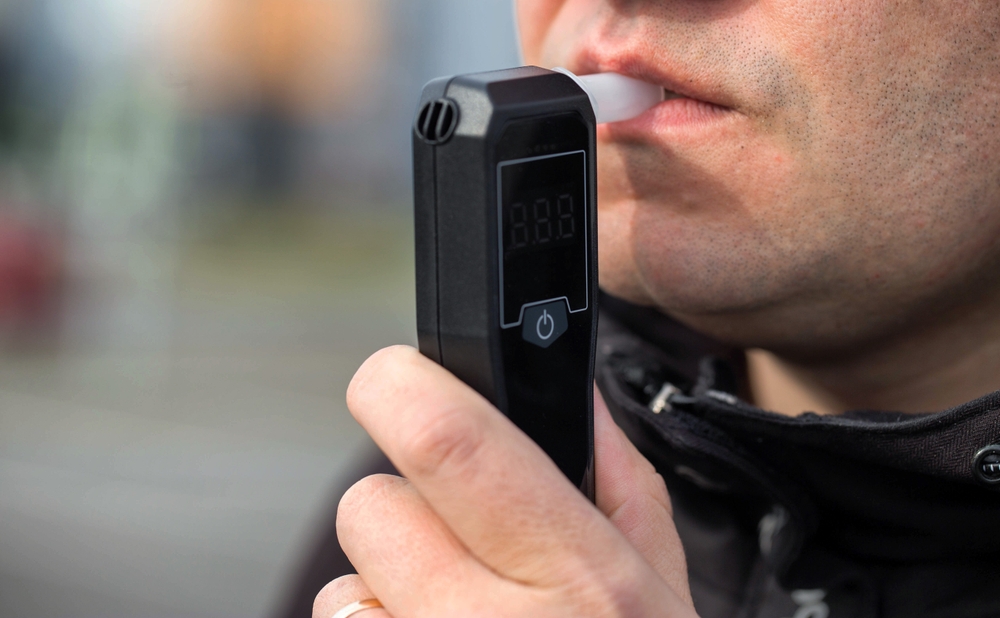
The impairment record is the foundation. Building the civil case begins with the same evidence that formed the criminal case, plus additional material specific to your injuries and losses.
The crash report, the officer’s field observations, any breath or blood test results, and the arrest record are the starting point. The vehicle’s event data recorder — which logs speed and braking — and nearby video round out the fault side. On top of that, your complete medical records tie the injuries to the crash. We move to secure all of it quickly, because carriers do not hold data forever and physical evidence disappears.
What Are Punitive Damages, and Do They Apply?
Punitive damages are an extra layer of compensation meant to punish especially reckless conduct. Getting behind the wheel impaired is one of the clearest examples Florida courts recognize.
Standard damages replace what you lost — medical bills, income, pain. Punitive damages sit on top of those and exist to punish the decision to drive drunk. A court must allow them and Florida sets caps, but the possibility changes how an insurer reads the case from the first letter. We evaluate the punitive-damages question on every DUI claim, because the answer affects the whole strategy.
What If the Drunk Driver Had Little or No Insurance?
Your own auto policy may cover the gap. Uninsured and underinsured motorist coverage, known as UM and UIM, is designed for exactly this situation.
UM coverage steps in when the at-fault driver had no insurance. UIM coverage applies when they had insurance but not enough. Many people carry this protection without realizing it, and it can be the difference between a partial and a full recovery. We review every policy in play at the start — your own, a resident relative’s if applicable, and any umbrella — and work through the right stacking to maximize what is available to you.
Do You Have to Wait for the Criminal Case to Finish?
No, and waiting usually hurts you. The civil claim and the criminal case run on separate tracks, and delay costs you evidence and risks the filing deadline.
A conviction in the criminal case can help the civil claim, but it is not required to win one. The civil standard is lower — preponderance of the evidence, not proof beyond a reasonable doubt — so even a plea or a dismissed charge does not end your civil rights. Start the civil process early and let the criminal case develop on its own.
What Florida Laws and Deadlines Apply?
Two rules shape most drunk driving claims: the filing deadline and how fault is handled when more than one person contributed. Both can close options if overlooked.
For crashes after March 24, 2023, you generally have two years to file suit under Florida Statute 95.11. Florida’s modified comparative negligence under Florida Statute 768.81 means your recovery drops only if you shared fault, and is barred only if your share tops 50 percent. In most DUI crashes, the victim carries no share of fault at all.
What Can a Drunk Driving Claim Cover?
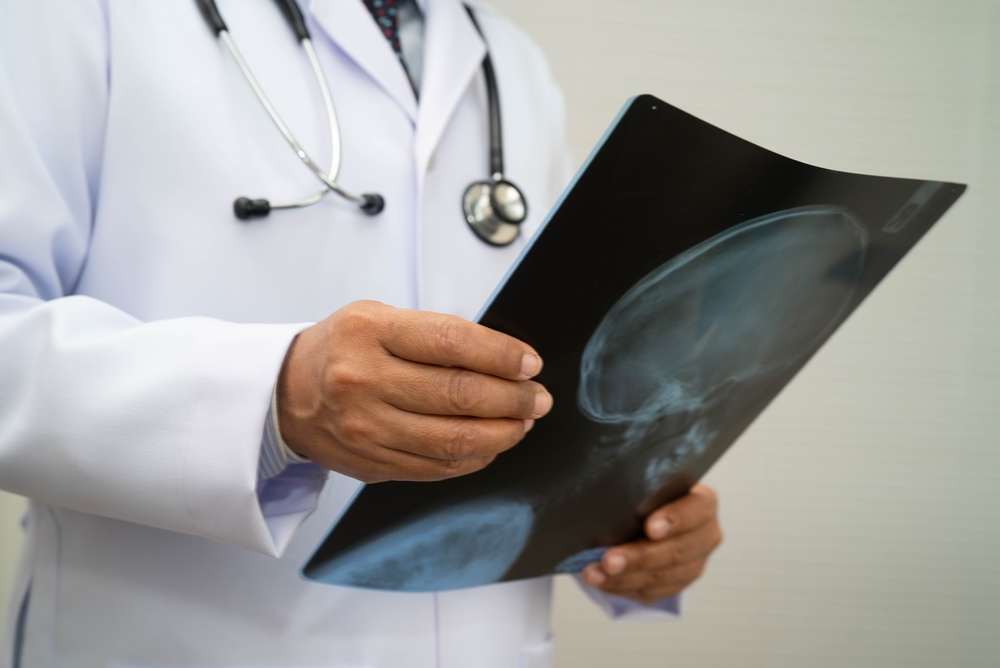
The full picture of what the crash took from you. Standard damages and, where applicable, punitive damages together can reflect both your losses and the recklessness that caused them.
Current and future medical bills lead the list, followed by income lost during recovery, reduced earning ability, pain and suffering, and the broader disruption to daily life. Because impaired drivers often do not brake, injuries in DUI crashes tend to be severe. We wait until your medical picture is clear before settling, so future costs are not left on you.
Steps to Protect Your Rights After a Crash
A few deliberate choices in the days after a DUI crash can make a meaningful difference in the outcome of your claim.
See a doctor right away and keep every record. Do not give the other driver’s insurer a recorded statement before you speak with a lawyer. Pull your own insurance declarations page so you know what UM and UIM coverage you carry. Preserve any text messages, photos, or dashcam footage from the scene. If a loved one was killed, contact a lawyer immediately, because wrongful death claims carry their own deadlines that can run from the date of death rather than the date of injury.
Frequently Asked Questions
Usually, yes. An injured passenger can generally pursue the driver’s insurance. Being in the vehicle when it crashed does not make you responsible for the crash, and it does not limit your right to compensation.
Yes. A civil claim does not require an arrest or conviction. Evidence of impairment from the crash report, witnesses, and any available video or vehicle data can still support the claim, and the civil standard of proof is lower than in a criminal case.
The at-fault driver’s liability insurance pays for your damages from their policy. UM coverage is on your own policy and pays when the other driver has no insurance or not enough. They are separate sources that can apply together when the at-fault limits are exhausted.
Rarely, and not without legal advice first. Early offers in DUI cases are typically below what the case is worth, especially before your medical picture is complete. A lawyer can compare the offer to what the claim should recover before you sign anything.
No. The first case evaluation is free, and these cases are handled on a contingency basis, so you do not pay until and unless the firm wins your case.
Protecting Your Rights After a DUI Crash in Lakewood Ranch
A drunk driver’s choice put you in the hospital. Getting the full recovery you are entitled to takes fast action on the evidence and clear thinking about coverage — while you are still dealing with the aftermath of the crash.
Legler, Murphy & Battaglia, PLLC has served Southwest Florida since 1989, and our role is to preserve the proof, find every source of payment, and advocate for a fair result. If a drunk driver injured you in Lakewood Ranch, the Lakewood Ranch drunk driving accident attorneys at the firm are ready to help.
Call our Lakewood Ranch office at 941-251-1370 for a free case evaluation. You don’t pay until and unless we win your case.