
 Call Us Now
 Email Us Now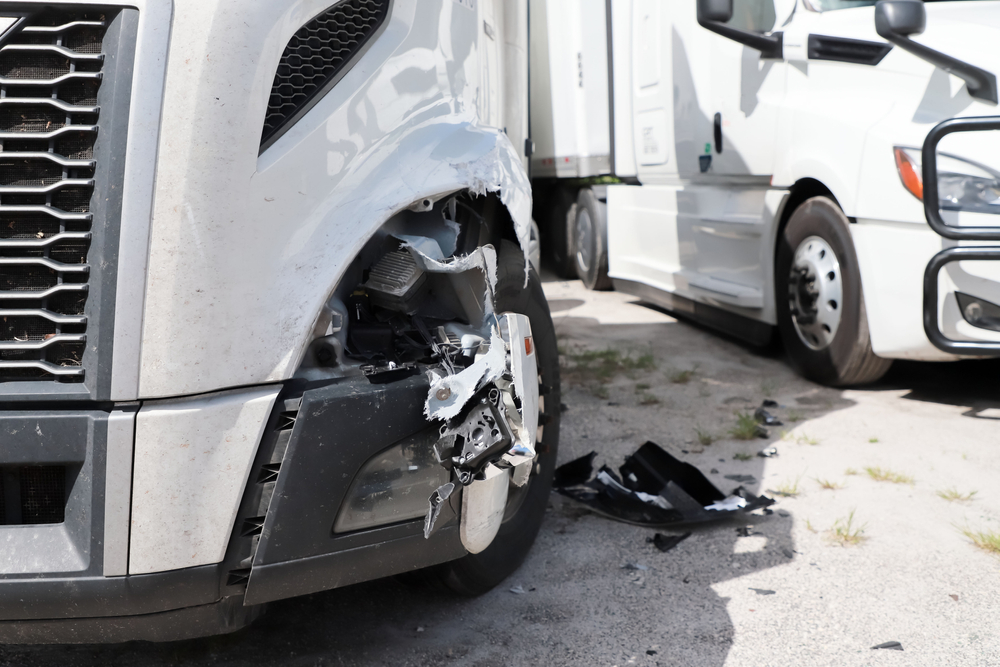
A collision with an 80,000-pound commercial truck is not a bigger version of a car accident. The injuries are often serious, the trucking company usually sends people to protect itself fast, and the rules come from federal law as much as state law. Knowing the right moves early gives you a real advantage. The Lakewood Ranch personal injury attorneys at Legler, Murphy & Battaglia, LLP handle these crashes and know how quickly they move.
What Are the First Steps After a Truck Crash in Lakewood Ranch?
Right after a truck crash in Lakewood Ranch, focus on safety and evidence: call 911, get medical care even if you feel okay, and photograph the scene, the truck, and any company markings before vehicles are moved. A clear Lakewood Ranch truck accident guide matters because these cases involve federal rules, large insurers, and evidence that can vanish within days. What you do in the first hours can protect your health and your claim at the same time.
Key Takeaways for Truck Crash Victims
- More than one party can be responsible: the driver, the trucking company, a cargo loader, or a maintenance provider.
- Trucks carry data — electronic logs and onboard computers can show speed, hours, and braking, but only if that evidence is preserved.
- Florida generally gives you two years from the crash to file an injury lawsuit.
- Trucking insurers investigate within hours — having someone doing the same for you helps level the field.
- A free consultation lets you understand your options before the company’s version becomes the only record.
Why Are Truck Crashes Different From Car Accidents?
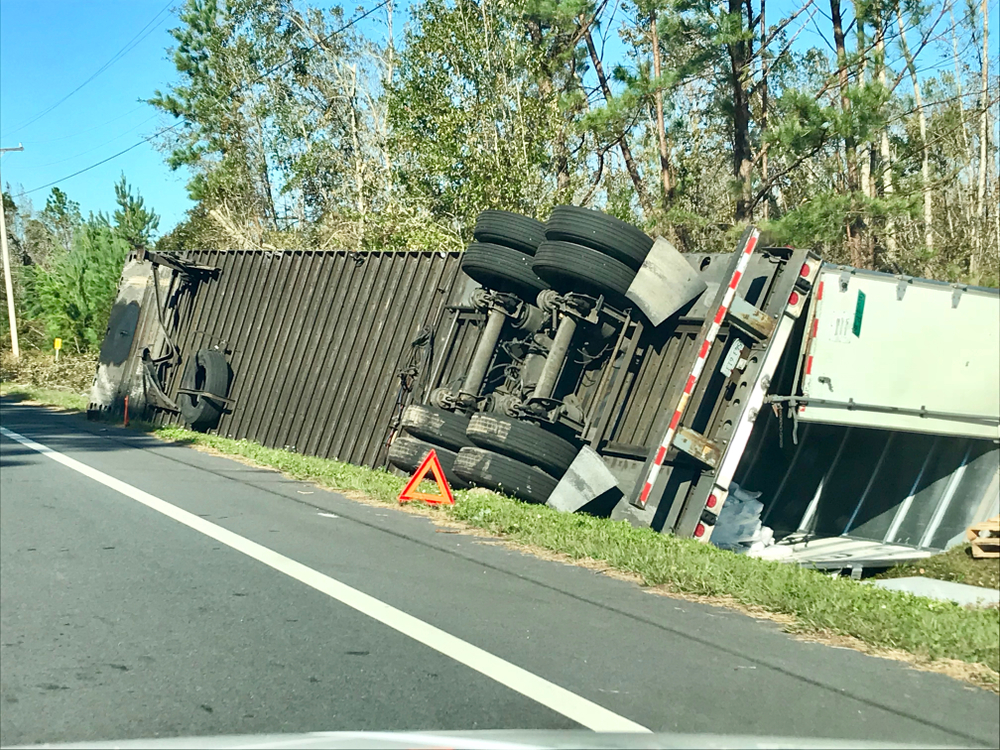
The size and weight gap is the core reason. A loaded tractor-trailer can weigh up to 80,000 pounds, while a typical passenger car weighs around 4,000, according to the Federal Motor Carrier Safety Administration. That difference turns a routine crash into one that often causes broken bones, spinal injuries, or worse.
There is also a web of federal rules that ordinary car wrecks never touch. Commercial drivers and the companies behind them must follow the FMCSA. When they cut corners, that violation can become an important part of your case.
Who Can Be Held Responsible for the Crash?
Often more than one party. The driver may be at fault, but the trucking company can share blame for pushing unrealistic schedules, skipping maintenance, or hiring an unqualified driver. A cargo company that loaded the trailer wrong, a mechanic who missed a brake problem, or a parts maker can also be responsible. Sorting this out is a big reason truck cases take more work than a two-car fender bender.
What Federal Rules Apply to Truck Drivers?
Federal hours-of-service rules limit how long a trucker can drive, because fatigue causes crashes. Under FMCSA rules, a property-carrying driver may drive a maximum of 11 hours after 10 hours off, and may not drive past the 14th hour of their workday. They also must take a 30-minute break within the first 8 hours of driving. These limits are logged electronically. When a driver runs past them to hit a deadline, the records can reveal it, which is why getting those logs early matters so much.
What Should You Do in the Days After the Crash?
Once you are safe and treated, a few steps protect the claim. The most important one is preserving evidence before the trucking company controls the story.
How Do You Keep the Truck’s Evidence From Disappearing?
A lawyer can send the trucking company a preservation letter, sometimes called a spoliation letter, within days. It formally demands that they keep the driver’s logs, the onboard data, maintenance records, and dashcam footage. Without that letter, some of this evidence can be erased or lost during normal operations. Companies are not required to hold onto everything forever, so speed counts.
What Records Help Build a Truck Accident Claim?
The useful records go well beyond a police report. Electronic logging device data shows the driver’s hours. The truck’s onboard computer, often called a black box, can capture speed and braking. Maintenance files, inspection reports, and the driver’s qualification records fill in the rest.
What Florida Laws and Deadlines Should You Know?
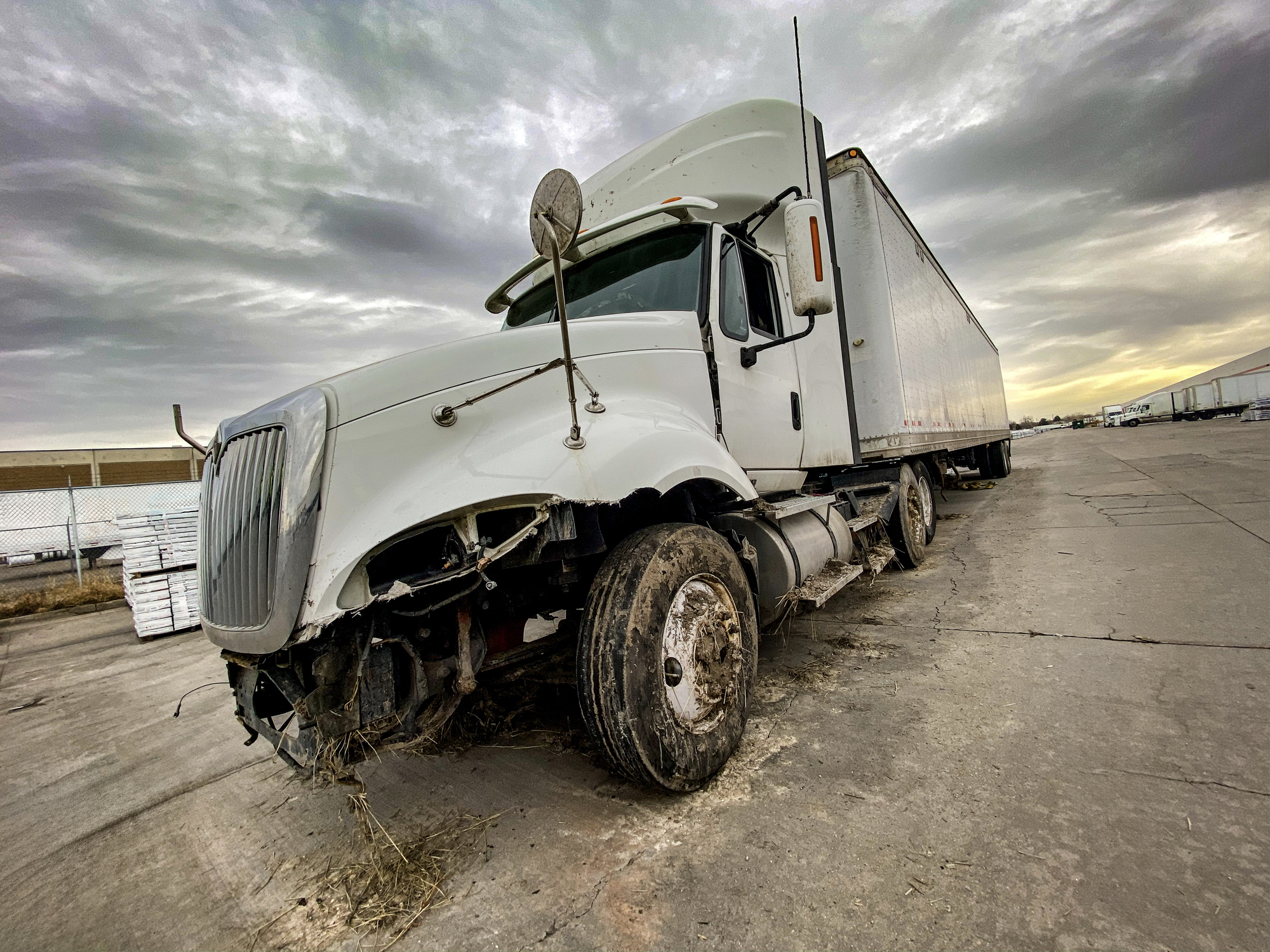
Florida sets a filing deadline and a fault rule that both affect what you can recover. Missing either one can quietly end a strong case.
You generally have two years from the date of the crash to file suit, under Florida Statute 95.11. Florida also uses modified comparative negligence under Florida Statute 768.81, meaning a person found more than 50 percent at fault cannot recover, and any smaller share of fault reduces recovery.
When a truck crash takes a life, Florida law lets certain family members bring a wrongful death claim. It can cover medical and funeral costs, lost support, and the loss of companionship. The Lakewood Ranch wrongful death attorneys at the firm handle them with the care the situation calls for.
What Might a Truck Accident Claim Cover?
A claim can account for the full weight of a serious crash. Medical costs usually lead the list, from the emergency response through surgery, rehabilitation, and future care a doctor expects you to need. Lost wages and reduced earning ability belong there too, especially when injuries keep you from returning to the same work. Florida law also allows recovery for pain and the lasting effect on your life. Because trucking injuries tend to be severe, insurers often push back hard on these numbers.
When Should You Contact a Truck Accident Lawyer?
Sooner is usually better with trucking cases, because the evidence clock starts running immediately. If the crash caused a serious injury, a hospital stay, or a death in the family, an early call helps. It also helps when the trucking company or its insurer contacts you first. A quick call from an adjuster is often the start of their effort to limit what they pay. Most consultations are free, so reaching out costs nothing.
Frequently Asked Questions
Keep it brief and avoid giving a recorded statement until you have advice. Adjusters often call within a day or two, hoping to lock in a version of events that favors the company. You can decline politely and refer them to your lawyer.
You may still have a claim. Florida allows recovery as long as you were not more than 50 percent at fault, though your share reduces the amount. Trucking insurers know this rule and often try to shift blame onto the other driver.
It varies with the injuries and how many parties are involved. Truck cases often take longer than car cases because of the extra evidence and multiple companies. Rushing to settle early, before the full injury is known, tends to work against the injured person.
Not always, but it helps. That data can confirm speed, braking, and hours behind the wheel. Even without it, police reports, witness accounts, and maintenance records can support a claim, which is another reason to preserve everything early.
After a Truck Crash, the Next Move Is Yours

A commercial truck crash can change a family’s life in seconds, leaving injuries and questions that the trucking company seems in no hurry to answer. You do not have to face their team of adjusters and lawyers on your own.
Legler, Murphy & Battaglia, LLP has served Southwest Florida since 1989, and our role is to move fast on the evidence, identify everyone responsible, and advocate for a fair recovery. If a commercial truck hurts you or someone you love near Lakewood Ranch, the Lakewood Ranch truck accident attorneys at the firm are ready to step in.
Call our Lakewood Ranch office at 941-251-1370 for a free case evaluation. You don’t pay until and unless we win your case.