
 Call Us Now
 Email Us Now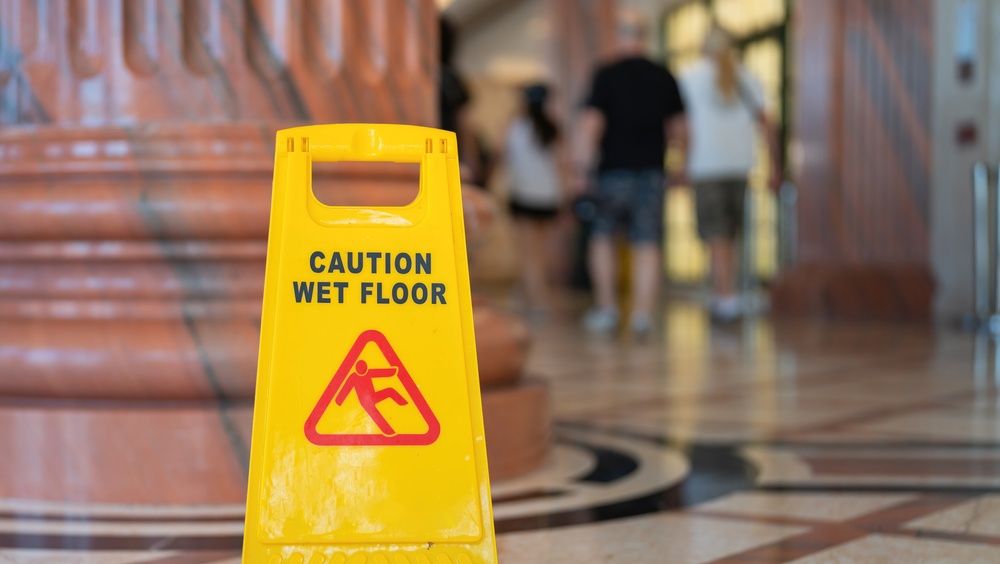
Venice has one of the older year-round populations in the region, and a fall that might bruise a younger person can break a hip or cause a lasting head injury here. Add seasonal crowds, brick sidewalks downtown, and pool decks across the many condo communities, and the risk adds up. When a property’s carelessness causes a fall, Florida law offers a path to recover. The Venice personal injury attorneys at Legler, Murphy & Battaglia, PLLC help injured residents understand it.
When Is a Property Owner Liable for a Fall in Venice?
A property owner in Venice is liable for a fall when they knew about a hazard, or should have known, and failed to fix it or warn visitors in time. A Venice FL slip and fall accident claim rests on that question of knowledge, not simply on the fact that someone got hurt. The rule applies to stores, condos, and community common areas alike. Because falls can be far more serious for older residents, sorting out responsibility quickly can matter a great deal.
Key Takeaways for Fall Victims
- The owner usually must have known about the hazard, or it must have existed long enough that they should have.
- Condo and homeowners associations can be responsible for falls in shared areas.
- Falls are often more damaging for older adults, which raises what a claim needs to account for.
- Florida generally gives you two years from the injury to file a lawsuit.
- If a fall proves fatal, surviving family members may have a separate claim.
Why Are Falls So Serious for Venice Residents?

Age changes what a fall does to the body. More than one in four adults age 65 and older falls each year, and falls cause about 3 million emergency department visits annually in that group, according to the Centers for Disease Control and Prevention. The CDC also links falls to nearly all hip fractures among older adults. In a community with many retirees and winter residents, a single fall on an unsafe walkway can lead to surgery, a long rehab, and a real loss of independence. A broken hip can mean surgery, weeks in rehab, and for some, a lasting change in how independently they can live.
When Is a Property Owner Responsible for Your Fall?
Responsibility turns on knowledge. Under Florida Statute 768.0755, a person hurt by a temporary hazard, like a spill, generally has to show the business knew about it or should have. Either someone at the property actually knew, or the hazard sat there long enough, or happened often enough, that a careful owner would have caught it. A wet floor that sat for an hour is treated very differently from one that appeared moments before.
What Are Common Fall Hazards in Venice?
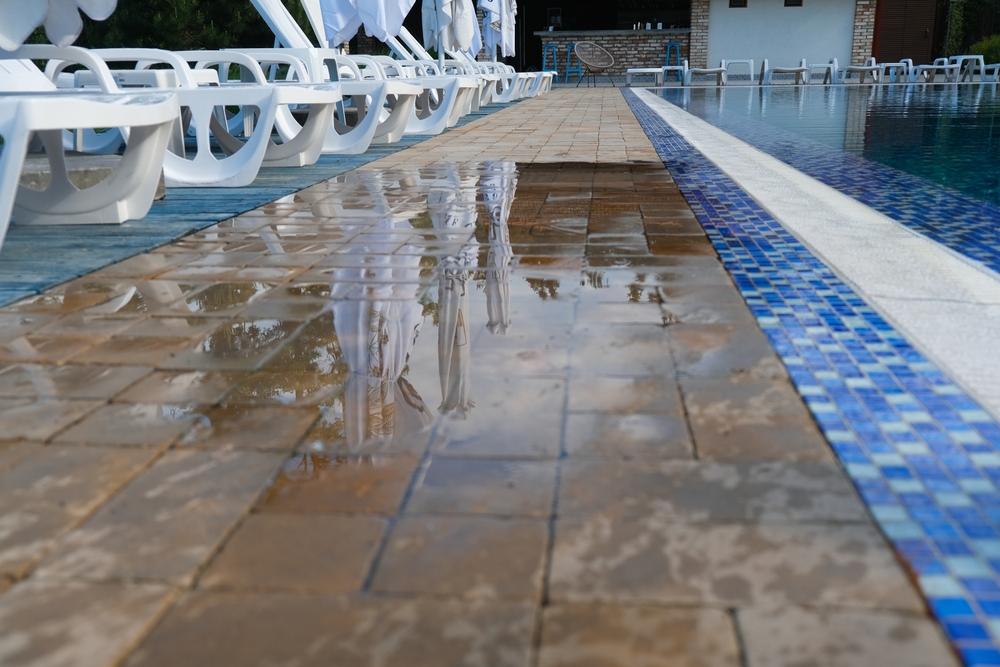
The usual causes are simple and fixable. Uneven brick or cracked sidewalks in the historic downtown. Wet tile at a shop entrance during summer storms. Pool decks and clubhouse floors in condo communities. Poor lighting in a parking area or stairwell. Loose mats and torn carpet in older buildings. Seasonal visitors who are new to a property may not know where these trouble spots are, which can make a hidden hazard even more dangerous.
Can a Condo or HOA Be Liable for a Fall in a Common Area?
Yes, when they controlled the area where you fell. Condo and homeowners associations are usually responsible for shared spaces like lobbies, walkways, pool areas, elevators, and parking.
| Where the fall happened | Usually responsible |
|---|---|
| Lobby, hallway, or elevator | The association |
| Pool deck or clubhouse | The association |
| Parking area or shared walkway | The association |
| Inside a private unit | The unit owner |
What If a Fall Turns Fatal?
Some falls, especially those causing head injuries or complications after a hip fracture, prove fatal. When that happens, Florida law allows certain family members to bring a wrongful death claim. Such a claim can cover medical and funeral costs and the family’s loss. The Venice wrongful death attorneys at the firm handle these cases with the care they deserve.
What Florida Laws and Deadlines Apply?
For injuries after March 24, 2023, you generally have two years to file suit under Florida Statute 95.11. Florida also uses modified comparative negligence under Florida Statute 768.81. A person more than 50 percent at fault recovers nothing, and a smaller share reduces the amount. Owners often argue the hazard was obvious or that the visitor was not paying attention.
What Can a Fall Injury Claim Cover?
A claim can reflect the full cost of a serious fall. Medical care usually leads, from the emergency visit through surgery, physical therapy, and any long-term care a doctor expects. Lost income applies when a fall keeps someone from work, and for retirees, the focus often shifts to the cost of ongoing care and lost independence. Florida law also allows recovery for pain and the effect on daily life. Insurers tend to undervalue these longer-term needs, so documenting them matters. For someone who lives alone, the need for help with daily tasks after an injury can become one of the largest parts of a claim.
When Should You Talk to a Lawyer?
Reach out when the injury is serious, when the property denies responsibility, or when an insurer’s offer seems low. A broken hip, a head injury, or any fall requiring surgery usually justifies a call. Acting sooner also gives a lawyer time to document the scene before the property repairs or changes it. It also helps to talk early if a condo association or store is already asking for a statement or downplaying what happened. Most consultations are free, so an early conversation costs nothing.
Steps That Often Help After a Fall
Many injured residents find a few actions useful, though this is general information, not advice for your case. Photos of the hazard and the area, taken the same day, are hard to dispute later. Reporting the fall to the property or association in writing creates a dated record. Getting witness names can matter months on. Seeing a doctor promptly protects your health and connects the injury to the fall. Keeping shoes, bills, and a short note of your recovery fills out the picture.
Frequently Asked Questions
It depends on who controlled and maintained that space. Pool decks and clubhouses are usually common areas the association handles, so the association and its insurer may be responsible if a hazard there caused your fall.
A claim is generally against the association’s insurance, not your neighbors personally. Associations carry coverage for these situations. Reporting a hazard also helps protect the next resident from the same fall.
Possibly. Falls involving older adults often rely on other evidence, such as photos, the condition of the area, maintenance records, and witness accounts. A lawyer can investigate even when the injured person cannot describe everything that happened.
Sooner is better. Evidence like the state of a walkway or lighting can change, and Florida’s deadline limits your time. Early steps to document the scene and preserve records protect the claim while the family focuses on recovery.
A Fall Can Change Everything. You Don’t Have to Face It Alone.

A single fall can cost an older resident their mobility, their routine, and their peace of mind, while the property owner’s insurer treats it as just another claim. You deserve a closer look at what happened and who should answer for it.
Legler, Murphy & Battaglia, LLP has served Southwest Florida since 1989, and our role is to investigate the hazard, deal with the association or insurer, and advocate for a fair recovery. If an unsafe property caused a fall in Venice, the Venice slip and fall attorneys at the firm are ready to help.
Call our Venice office at 941-202-4169 for a free case evaluation. You don’t pay until and unless we win your case.